Geteilte Mikromobilität in Japan –
Stationen, Betrieb und Nutzer (Akzeptanz)
GridTalk live
Donnerstag, 03. Dezember 2026,
17:00 — 18:30 Uhr

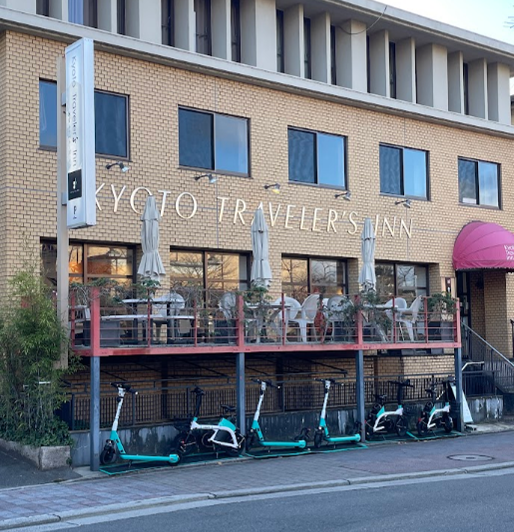
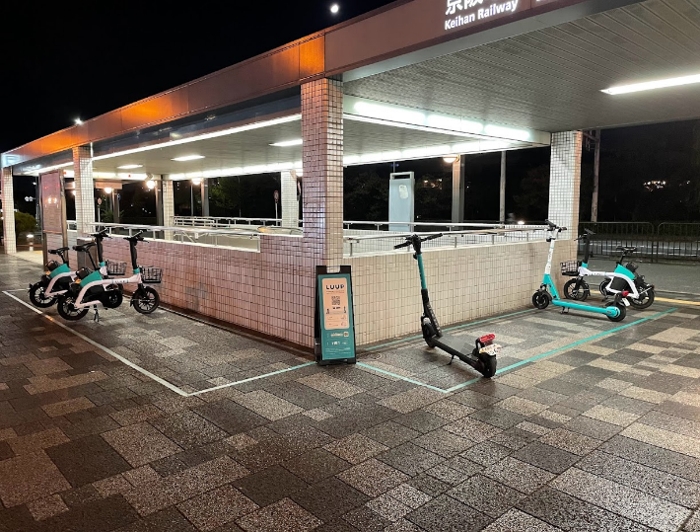
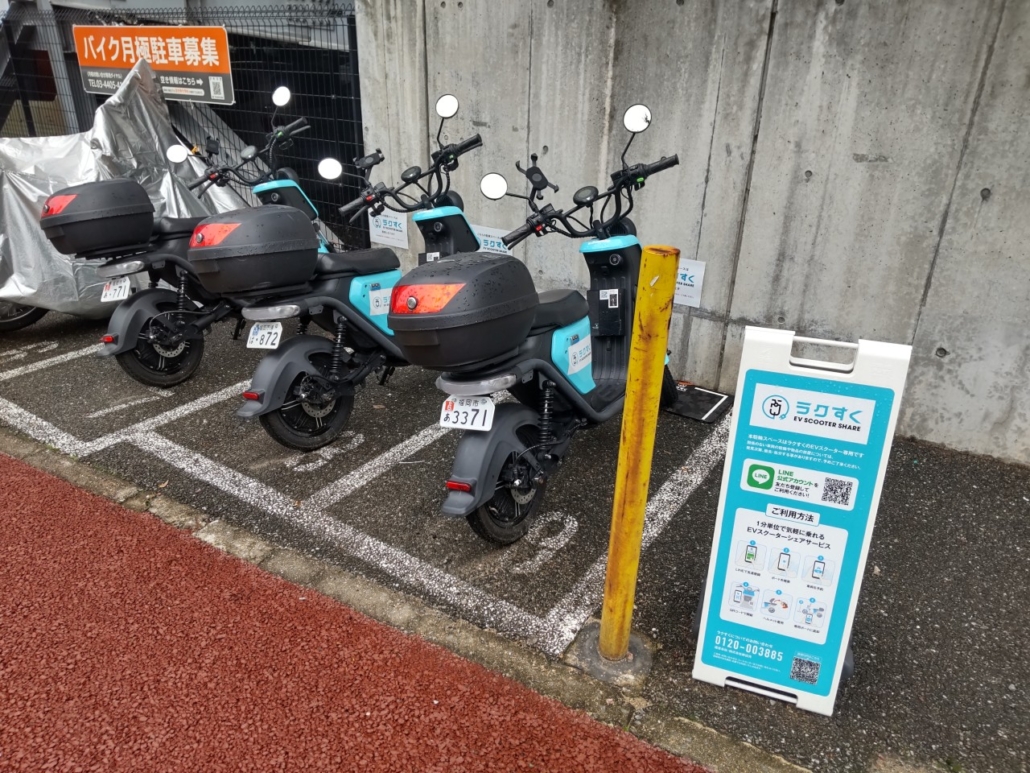
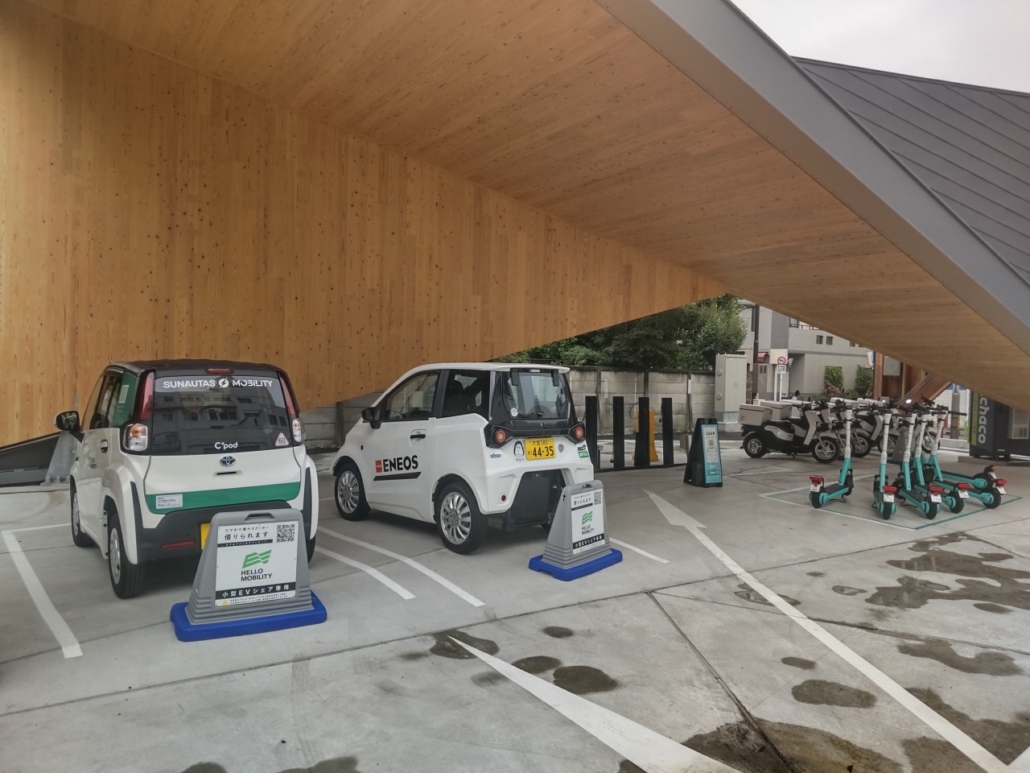
Die geteilte Mikromobilität hat in japanischen Städten in den letzten Jahren rasant zugenommen. (Mini-)E‑Bikes und E‑Scooter werden über Netzwerke kleiner Stationen angeboten, von denen sich viele auf Privatgrundstücken befinden. Seit 2023 haben E‑Scooter gemäß dem japanischen Straßenverkehrsgesetz eine eigene Fahrzeugklasse. Das japanische Modell unterscheidet sich daher in mehrfacher Hinsicht von den weitgehend frei zugänglichen Systemen in Deutschland.
An diesem Abend werden aktuelle Forschungsergebnisse dazu vorgestellt, wo Stationen platziert werden, wie Nutzer zwischen verschiedenen Anbietern wählen und wie Betreiber ihre Netzwerke planen. Dr. Hiroshi Uemura eröffnet die Veranstaltung mit einem Hauptvortrag über die Auswirkungen und den Betrieb der geteilten Mikromobilität im Großraum Tokio. Es folgen zwei kürzere Vorträge: einer über die Standortwahl von Stationen auf Privatgrundstücken in Kyoto und einer, der die angegebene Fahrzeugwahl an Mobilitätsknotenpunkten in Kyoto und Berlin vergleicht. Eine offene Diskussion bildet den Abschluss der Veranstaltung. Dabei wird erörtert, welche Erkenntnisse deutsche Städte aus den japanischen Erfahrungen gewinnen können und wo die Grenzen des Vergleichs liegen.
Alle Vorträge finden auf Englisch statt.
Teilnahme
Referenten
Dr. Hiroshi Uemura — Universität Tokio; Gastforscher an der Technischen Universität München
Lena Skade — Technische Universität Berlin
Jonas Fahlbusch — Technische Universität Berlin / Research Campus Mobility2Grid
Programm
17:10 Uhr Begrüßung und Einführung
Jonas Fahlbusch
17:10 Uhr Keynote: Shared Micromobility Services in Japan: Introduction, Impacts and Operational Strategies
Dr. Hiroshi Uemura
Shared micromobility services have expanded rapidly in Japan in recent years as convenient transport options. This presentation introduces research on the impacts of their deployment, travelers’ preferences, and the optimization of operational strategies in the Tokyo metropolitan area. Specifically, it covers the effects of bike sharing convenience on housing rents, an analysis of travelers’ willingness to use different shared micromobility services based on a stated preference survey, and the optimization of station locations and fleet sizes accounting for individual travel demand. These findings inform a discussion of how shared micromobility services can be implemented effectively.
17:40 Uhr Analysis of Site Selection and Acceptance of Micromobility Stations on Private Property: An Assessment of the Potential in Kyoto
Lena Skade
In Japan, the deployment of shared micromobility stations takes place predominantly on privately owned land, particularly in front of residential buildings. This presentation examines the spatial organization of these stations and the role of private property in their deployment, with a particular focus on Kyoto. Specifically, it explores the cooperation between service providers and property owners, the location characteristics influencing station placement, and the extent to which stations are integrated into the existing transport network. Furthermore, it investigates residents’ acceptance and perceptions of station accessibility and user-friendliness, as well as the factors that encourage or discourage their use. Conceptual analytical models, interviews with the providers LUUP and Clew, survey data, and secondary data form the methodological foundation of this research. The findings provide a basis for discussing the challenges and opportunities of integrating shared micromobility stations into residential environments and developing more accessible and user-oriented urban transport systems.
18:00 Uhr Same hub, different city: Stated vehicle choice at micromobility hubs in Berlin and Kyoto
Jonas Fahlbusch
Mobility hubs bundle shared micromobility at fixed locations. German and Japanese cities are both expanding them, but within very different systems. Berlin adds hubs to a largely free-floating market with one of the largest fleets in Europe. In Kyoto, shared micromobility operates from fixed ports on private land. The presentation shares first comparative results from a combined revealed and stated preference survey in both cities. Respondents reported a recent commute and shopping trip. They then chose between keeping their mode and taking a shared e‑bike, e‑cargo bike or cabin vehicle from a hub. The comparison covers take-up by vehicle and trip purpose, the modes each vehicle draws from, the willingness to pay for travel time savings, and which travellers are willing to switch. Differences are read against each city’s institutional, spatial and cultural setting, not as a ranking. The presentation closes with implications for where hubs should be placed and which vehicles they should offer.
18:15 Uhr Diskussion
18:30 Uhr Ende