HackY­our­Dis­trict Work­shop 2025: Open Data and Open Tools for a Net-Zero Urban Transport

Last week, we wel­co­med 35 inter­na­tio­nal par­ti­ci­pan­ts to our Mobility2Grid Rese­arch Cam­pus in Ber­lin (loca­ted on the EUREF-Cam­pus) for this year’s HackY­our­Dis­trict work­shop. The event was orga­nis­ed in coope­ra­ti­on with the Chair of Work Stu­dies, Tech­no­lo­gy and Par­ti­ci­pa­ti­on (ARTE) at Tech­ni­sche Uni­ver­si­tät Ber­lin and the TU Ber­lin Alum­ni Office.

For seve­ral years now, the HackY­our­Dis­trict series has demons­tra­ted how open data and open-source tools can unlock new per­spec­ti­ves for cli­ma­te-neu­tral mobi­li­ty and sus­tainable urban deve­lo­p­ment. The trans­for­ma­ti­on of mobi­li­ty and ener­gy sys­tems is tight­ly lin­ked to ever­y­day tra­vel rou­ti­nes, eco­no­mic struc­tures and urban envi­ron­ments. Open data and open tools – such as MAT­Sim, which we app­ly in glo­bal rese­arch pro­jects – help cities under­stand the­se com­ple­xi­ties and gene­ra­te bet­ter solutions.

Work­shops & Pro­gram High­lights 2025

DIY Sen­sors – Air Qua­li­ty & Traf­fic Coun­ting
Led by Robert Rich­ter and Alex­an­der Wendt, par­ti­ci­pan­ts built their own PM2.5 and traf­fic coun­ting sen­sors, took them home as sou­ve­nirs, and can now inte­gra­te them into their local envi­ron­ments to coll­ect data independently.

Open Data Plat­forms & AI Ana­ly­sis
In a work­shop by And­res Pinil­la Pala­ci­os, par­ti­ci­pan­ts lear­ned how sen­sor data can be aggre­ga­ted, visua­li­sed, shared and ana­ly­sed through AI-based web appli­ca­ti­ons – offe­ring a prac­ti­cal exam­p­le of data-dri­ven urban research.

Mini-Hacka­thon – AI for bar­ri­er-free side­walks
Buil­ding on results from the natio­nal Tai­wa­ne­se Hacka­thon (orga­nis­ed by Yunt­sui (Tracey) Chang, PhD and the Natio­nal Land Manage­ment Agen­cy), teams deve­lo­ped rapid ide­as for AI-based appli­ca­ti­ons to detect and remo­ve obs­ta­cles from side­walks, using YOLO4 and other open-source tools.

Excur­si­ons & Key­notes
Field visits and talks offe­red insights into Berlin’s civic tech eco­sys­tem (City­LAB Ber­lin) and cut­ting-edge smart city deve­lo­p­ments such as Ber­lin TXL.

Par­ti­ci­pant Con­tri­bu­ti­ons
This year’s con­tri­bu­ti­ons cover­ed a wide ran­ge of topics, including:

  • Crow­ding on Public Trans­port – Amit Agarwal

  • Micro­sco­pic Trans­port Ana­ly­sis in Bra­zil – Man­oel Men­don­ca de Cas­tro Neto

  • Rein­force­ment Lear­ning for CO₂ Reduc­tion at Inter­sec­tions – Shan­ma­thi Rajkumar

  • Citi­zen Assem­bly in Ukrai­ne for Inclu­si­ve Trans­port Plan­ning – Illia Tkachenko

  • AR-RAG for Smart Infor­ma­ti­on Retrie­val – Moritz Sont­hei­mer & Robin Fischer

Mobility2Grid pres­ents its­elf at the IAA MOBI­LI­TY 2025

From Sep­tem­ber 9 to 12, 2025, Mobility2Grid will be show­ca­sing its work at the IAA MOBI­LI­TY in Munich, the world’s lea­ding plat­form for mobi­li­ty, sus­taina­bi­li­ty, and tech­no­lo­gy. As a main exhi­bi­tor in the Sum­mit area of the trade fair (Hall A2, Stand C30), the rese­arch and indus­try con­sor­ti­um will pre­sent its inno­va­tions in intel­li­gent char­ging infra­struc­tu­re and vehic­le-to-grid con­cepts. The aim is to demons­tra­te how elec­tric vehic­les can not only enable emis­si­on-free mobi­li­ty but also ser­ve as fle­xi­ble ener­gy sto­rage units that con­tri­bu­te to grid sta­bi­li­ty. In doing so, Mobility2Grid addres­ses one of the key the­mes of this year’s IAA: the clo­se inte­gra­ti­on of the ener­gy tran­si­ti­on and the mobi­li­ty transition.

Par­ti­ci­pa­ti­on in IAA MOBI­LI­TY pro­vi­des Mobility2Grid with the oppor­tu­ni­ty to pre­sent its con­cepts to an inter­na­tio­nal audi­ence of poli­cy­ma­kers, indus­try lea­ders, and rese­ar­chers, while also fos­te­ring exch­an­ge with poten­ti­al partners. With for­mats such as key­notes, mas­ter­clas­ses, and dis­cus­sion forums at the Sum­mit, along­side the open, free­ly acces­si­ble exhi­bi­ti­on spaces in down­town Munich, the event once again beco­mes a stage for inno­va­ti­on and future trends—from smart char­ging and auto­no­mous dri­ving to urban mobi­li­ty. Against this back­drop, Mobility2Grid is lever­aging the visi­bi­li­ty of IAA MOBI­LI­TY to advan­ce the dia­lo­gue on future-rea­dy ener­gy sys­tems and to under­line its role as a dri­ving force in sha­ping sus­tainable mobility.

Tickets can be purcha­sed here.

Citi­zens’ Assem­bly on the Future of Mobi­li­ty: Ber­li­ners Dis­cuss Sce­na­ri­os for 2045

From May 23 to 25, 2025, the Mobility2Grid Rese­arch Cam­pus hos­ted a Citi­zens’ Assem­bly (Pla­nungs­zel­le) at the EUREF Cam­pus Ber­lin – a par­ti­ci­pa­to­ry for­mat for demo­cra­tic decis­i­on-making ori­gi­nal­ly deve­lo­ped in the 1970s by Prof. Dr. Peter Die­nel at the Uni­ver­si­ty of Wup­per­tal. The Pla­nungs­zel­le method brings tog­e­ther ran­dom­ly sel­ec­ted citi­zens to deli­be­ra­te on com­plex socie­tal issues in a mul­ti-day, struc­tu­red set­ting. Par­ti­ci­pan­ts are pro­vi­ded with expert input, deli­be­ra­te in small groups, and coll­ec­tively pro­du­ce a recommendation.

This Citi­zens’ Assem­bly aimed to enrich and reflect on the mobi­li­ty sce­na­ri­os for 2045 curr­ent­ly under deve­lo­p­ment at the rese­arch cam­pus by inte­gra­ting the lived expe­ri­en­ces and per­spec­ti­ves of Berlin’s residents.

50 ran­dom­ly sel­ec­ted citi­zens from the city regis­try were invi­ted to join two par­al­lel working groups and dis­cuss the future of public mobi­li­ty in their neigh­bor­hoods. Expert pre­sen­ta­ti­ons intro­du­ced key topics and trends:

  • Avai­la­bi­li­ty of Mobi­li­ty (Dr. Kers­tin Wendt, Women in Mobility)
  • Auto­no­mous Dri­ving (Liss Böck­ler, Inter­link GmbH)
  • Micro­mo­bi­li­ty (Sven Hau­sig­ke, STR­AT­MO – Stra­te­gic Mobi­li­ty Planning)
  • Mobi­li­ty-as-a-Ser­vice (MaaS) (Flo­ri­an Dre­scher, inno2grid GmbH)

Par­ti­ci­pan­ts asses­sed various deve­lo­p­ment pathways for urban mobi­li­ty in 2045 – from emer­ging tech­no­lo­gies to ever­y­day rou­ti­nes and infra­struc­tu­re roles – through a col­la­bo­ra­ti­ve and infor­med process.

The results will be sum­ma­ri­zed in a Citi­zens’ Report, to be pre­sen­ted publicly at the Mobility2Grid Sym­po­si­um in autumn 2025 and han­ded over to poli­cy and rese­arch stakeholders.

Addi­tio­nal­ly, the par­ti­ci­pan­ts’ eva­lua­tions and ide­as will be fed into MAT­Sim, an agent-based traf­fic simu­la­ti­on model, to enable data-dri­ven sce­na­rio ana­ly­sis roo­ted in citi­zen input – a glo­bal­ly uni­que approach to par­ti­ci­pa­to­ry mobi­li­ty research.

Call for Abs­tracts: Edi­ted Volu­me on Open Data in Transport

Call for Abs­tracts: Edi­ted Volu­me (Open Access Book, Ber­lin Uni­ver­si­ty Press)

Data, Cities and Citi­zens: How open data revo­lu­tio­ni­zes urban and trans­port planning

 Insights from a dia­lo­gue bet­ween Euro­pe and Asia

  • Dead­line:  April 5, 2025

Edi­tors

  • Jonas Fahl­busch, Tech­ni­cal Uni­ver­si­ty Ber­lin, Chair for Work Stu­dies, Tech­no­lo­gy and Par­ti­ci­pa­ti­on & Rese­arch Cam­pus Mobility2Grid
  • Chang Yunt­sui, Natio­nal Tai­wan Uni­ver­si­ty, Depart­ment for Civil Engineering
  • Prof. Dr. Huang Liling, Natio­nal Tai­wan Uni­ver­si­ty, Gra­dua­te Insti­tu­te of Buil­ding and Planning
  • Prof. Dr. Jan-Dirk Schmöcker, Kyo­to Uni­ver­si­ty, Depart­ment for Urban Management
  • Prof. Dr. Hans-Liud­ger Die­nel, Tech­ni­cal Uni­ver­si­ty Ber­lin, Chair for Work Stu­dies, Tech­no­lo­gy and Participation

Over­view of the content

The pro­po­sed book explo­res the trans­for­ma­ti­ve power of open data in urban and trans­port plan­ning, exami­ning how it fos­ters a mul­ti­face­ted under­stan­ding of cities (for rese­arch and prac­ti­ce), influen­ces plan­ning, inte­gra­tes citi­zens and shapes urban spaces in diver­se regi­ons.  Open data — sourced from govern­ments, pri­va­te enti­ties, NGOs, and indi­vi­du­als — offers new oppor­tu­ni­ties for par­ti­ci­pa­to­ry plan­ning, data-dri­ven decis­i­on-making, and inter­di­sci­pli­na­ry col­la­bo­ra­ti­on. Howe­ver, its impact is shaped by local gover­nan­ce struc­tures, tech­no­lo­gi­cal capa­bi­li­ties, but also socie­tal, cul­tu­ral and indi­vi­du­al atti­tu­des toward trans­pa­ren­cy and data sha­ring. By ana­ly­zing com­pa­ra­ti­ve cases from Euro­pe and Asia, this volu­me aims to high­light diver­se approa­ches to open data uti­liza­ti­on and gover­nan­ce, fos­te­ring mutu­al lear­ning and inno­va­ti­ve appli­ca­ti­ons in the field. The idea for this book pro­ject ori­gi­na­ted from the #HackY­our­Dis­trict work­shop series, initia­ted by the Chair for Work Stu­dies, Tech­no­lo­gy, and Par­ti­ci­pa­ti­on at the Tech­ni­cal Uni­ver­si­ty of Ber­lin in 2021. Sin­ce then, the­se work­shops have faci­li­ta­ted inter­na­tio­nal dis­cus­sions on the oppor­tu­ni­ties and limi­ta­ti­ons of open data in plan­ning, con­sis­t­ent­ly reve­al­ing that data cul­tures (Rob Kit­chin 2014) vary not only bet­ween regi­ons but also within cities of the same coun­try. Buil­ding on the­se insights, this volu­me seeks to advan­ce the dis­cour­se on open data, explo­ring both its poten­ti­al and its chal­lenges in sha­ping more inclu­si­ve, sus­tainable and effi­ci­ent urban and trans­port systems.

Within the prac­ti­ces of dif­fe­rent cul­tures, it is indi­vi­du­als who use (open) data to crea­te new insights or deve­lop inno­va­tions (Cin­na­mon 2022). The human fac­tor plays a cen­tral role in data inno­va­tions, as the suc­cess and set­back of open data initia­ti­ves depends hea­vi­ly on the acti­ve par­ti­ci­pa­ti­on, con­trol, and under­stan­ding of the peo­p­le who pro­du­ce and use this data. A Tai­wan exam­p­le is the Road­kill Obser­va­ti­on Network (Tai­RON), whe­re citi­zens actively con­tri­bu­te to scientific rese­arch by using GPS-enab­led devices to crowd­sour­ce road­kill data. This inte­gra­ti­on of citi­zens into the data coll­ec­tion pro­cess not only fos­ters grea­ter public invol­vement but also enhan­ces the breadth and depth of con­ser­va­ti­on rese­arch (Hsu & Lin 2021). Simi­lar­ly, in Ger­ma­ny, the “Gieß den Kiez” (Water the Neigh­bor­hood) pro­ject in Ber­lin invi­tes citi­zens to use open data and GPS tech­no­lo­gy to moni­tor and water urban trees, allo­wing for a col­la­bo­ra­ti­ve effort in main­tai­ning the city­’s green spaces and pro­mo­ting envi­ron­men­tal sus­taina­bi­li­ty. Howe­ver, despi­te the­se posi­ti­ve examp­les, it is important to reco­gni­ze that the relia­bi­li­ty and useful­ness of open data can also be com­pro­mi­sed by indi­vi­du­als who, whe­ther through error, lack of under­stan­ding, or poli­ti­cal­ly moti­va­ted mani­pu­la­ti­on, may inad­ver­t­ent­ly under­mi­ne the inte­gri­ty of open data (Mcard­le & Kit­chin 2016).

Nowhe­re else is as much data gene­ra­ted as in cities. If we take a clo­ser look, we rea­li­ze that in no other urban area is as much data gene­ra­ted as in trans­por­ta­ti­on. The sheer volu­me of move­ments of peo­p­le, goods and vehic­les and their net­wor­king with smart­phones, GPS and sen­sors pro­du­ce mas­si­ve amounts. When ope­ned to public use, data can sup­port the deve­lo­p­ment of open-source trans­port plan­ning tools (e.g. MAT­Sim, co-deve­lo­ped by Prof. Kai Nagel at TU Ber­lin). The­se tools faci­li­ta­te rou­te opti­miza­ti­on, demand fore­cas­ting and sce­na­rio ana­ly­sis, making trans­port plan­ning more effi­ci­ent and trans­pa­rent. The use of open data (and open tools) in trans­por­ta­ti­on sys­tems allows for the deve­lo­p­ment of new ser­vices and appli­ca­ti­ons that impro­ve the user expe­ri­ence and ser­vices. For exam­p­le, real-time data on bus loca­ti­ons and sche­du­les can enable bet­ter ser­vice design and ope­ra­tio­nal effi­ci­en­cy. Fur­ther­mo­re, in achie­ving the net-zero city agen­da, the appli­ca­ti­on of open data in trans­por­ta­ti­on sys­tems not only sup­ports inno­va­ti­ve trans­por­ta­ti­on plan­ning but also acce­le­ra­tes public com­mu­ni­ca­ti­on and faci­li­ta­tes social tran­si­ti­on in dai­ly life. For the­se reasons, we would like to explo­re the trans­for­ma­ti­ve power of open data equal­ly in the urban plan­ning and trans­port plan­ning disci­pli­nes ali­ke, which part­ly mer­ge into each other.

Most aca­de­mic works on open data and cities tend to approach the topic from a pre­do­mi­nant­ly Wes­tern-cen­tric per­spec­ti­ve, often roo­ted in dis­cus­sions about pri­va­ti­zed digi­tal spaces (Kit­chin et al. 2015) or about the per­va­si­ve influence of lar­ge tech cor­po­ra­ti­ons in sha­ping smart city tech­no­lo­gies and smart city dis­cour­ses (Burns 2021, Green­field 2013). The focus — though not new — over­looks cri­ti­cal per­spec­ti­ves on neo­li­be­ral urba­nism, which argue that the smart city model, as pro­mo­ted by tech giants, often prio­ri­ti­zes cor­po­ra­te inte­rests over public good, lea­ding to the com­mo­di­fi­ca­ti­on of urban data. Deri­ved from this, aca­de­mics like Kit­chin (2014) often argue that open data, when lever­a­ged effec­tively, can offer a coun­ter-nar­ra­ti­ve to the pri­va­ti­zed smart city model by fos­te­ring trans­pa­ren­cy, accoun­ta­bi­li­ty, and citi­zen par­ti­ci­pa­ti­on, that it is used in ways that empower rather than exploit urban popu­la­ti­ons. Our expe­ri­en­ces from #HackY­our­Dis­trict shows that the pro­duc­tion and sha­ring of digi­tal infor­ma­ti­on through civic tech­no­lo­gy is forming new com­mu­ni­ties and co-crea­ti­on, dri­ving mea­su­res such as air pol­lu­ti­on regu­la­ti­on, waters­hed manage­ment, bio­di­ver­si­ty con­ser­va­ti­on, health manage­ment (for a Tai­wa­ne­se case stu­dy exam­p­le see Yuan et al. 2020) and many other fields.

It is this effec­ti­ve lever­aging of open data that will be addres­sed in the edi­ted volu­me in the realm of urban plan­ning and trans­por­ta­ti­on. We want to tack­le wider issues rela­ted to open data in urban and trans­port plan­ning, dra­wing on scientific rese­arch results, poli­ti­cal ana­ly­sis, pro­ject reflec­tions, case stu­dies or artis­tic works. The book the­r­e­fo­re invi­tes rese­ar­chers and prac­ti­tio­ners who deal with cities, trans­por­ta­ti­on and open data and crea­ted inno­va­ti­ve approa­ches, fin­dings, methods or crea­ti­ve ways of open data usa­ge to enhan­ce plan­ning. We invi­te con­tri­bu­ti­ons not only from par­ti­ci­pan­ts of our work­shop series over the past three years but also from exter­nal aut­hors who­se insights can enhan­ce the qua­li­ty of our book pro­ject.

The book aims to cri­ti­cal­ly enga­ge with deba­tes from the huma­ni­ties, social sci­en­ces and engi­nee­ring to deli­ver a com­pre­hen­si­ve account of how data intert­wi­ne with urban envi­ron­men­tal chan­ges. We wel­co­me dis­cus­sions on both the posi­ti­ve and nega­ti­ve impacts of open data in cities. Despi­te the poten­ti­als that we high­ligh­ted and need so much for a coun­ter-nar­ra­ti­ve of capi­tal-dri­ven smart cities, we are also loo­king for cri­ti­cal reflec­tions of open data uti­liza­ti­on, e.g.: How the pri­va­tiza­ti­on of data obs­tructs urban / trans­port plan­ning, how open data might com­pro­mi­se citi­zens’ pri­va­cy rights, or how sta­tes might with­hold open data for poli­ti­cal pur­po­ses and con­se­quent­ly obs­tructs urban / trans­port planning.

We fur­ther wel­co­me con­tri­bu­ti­ons that explo­re the role of city admi­nis­tra­ti­ons and urban plan­ners in deve­lo­ping effi­ci­ent open data manage­ment sys­tems, as well as in lever­aging open data for the plan­ning and enhance­ment of infra­struc­tu­re. During our work­shops, we obser­ved that open data can act as a cata­lyst, spar­king col­la­bo­ra­ti­on among groups that pre­vious­ly had no inter­ac­tion, fos­te­ring new oppor­tu­ni­ties for coope­ra­ti­on and mutu­al lear­ning. Con­se­quent­ly, we warm­ly invi­te artic­les that exami­ne inno­va­ti­ve forms of co-pro­duc­tion dri­ven by data and emer­ging social net­works, par­ti­cu­lar­ly tho­se that illus­tra­te how the digi­tal sphe­re revi­ta­li­zes phy­si­cal spaces and enhan­ces social interactions.

The­mes and Topics

Con­tri­bu­ti­ons should ali­gn with one of the fol­lo­wing key themes:

  1. Open Data and Cities – Papers on how open data influen­ces urban envi­ron­ments, gover­nan­ce, civic enga­ge­ment, decis­i­on-making, inno­va­tions and urban poli­ci­es. Chal­lenges / solu­ti­ons in data acces­si­bi­li­ty, inter­ope­ra­bi­li­ty, and equi­ty in urban data gover­nan­ce and management.
  2. Open Data and Urban Plan­ning – The role of open data in sha­ping spa­ti­al plan­ning, land-use decis­i­ons, and par­ti­ci­pa­to­ry design. Open data for moni­to­ring housing, envi­ron­men­tal sus­taina­bi­li­ty, and socio-spa­ti­al ine­qua­li­ties. Digi­tal twins and AI-based ana­ly­tics in plan­ning through open data sources. Chal­lenges / solu­ti­ons in data qua­li­ty, stan­dar­diza­ti­on, and long-term avai­la­bi­li­ty in urban planning.
  3. Open Data and Trans­port Plan­ning – The focus of this chap­ter is on describ­ing and pro­ving the impact or poten­ti­al prac­ti­cal value of open data on urban trans­por­ta­ti­on sys­tems. By making data acces­si­ble, plan­ners and rese­ar­chers can enhan­ce ser­vices and crea­te more citi­zen-cen­te­red mobi­li­ty solu­ti­ons. Oppor­tu­ni­ties and cases for this shall be dis­cus­sed as well as chal­lenges like data pri­va­cy, gover­nan­ce, inter­ope­ra­bi­li­ty or pri­va­tiza­ti­on of data.
  4. Open Data and Citi­zens – How indi­vi­du­als and com­mu­ni­ties enga­ge with and con­tri­bu­te to open data initia­ti­ves, inclu­ding gover­nan­ce, data cul­tures, and par­ti­ci­pa­to­ry prac­ti­ces, or new methods of data crea­ti­on and appli­ca­ti­on (e.g. hacka­thons). Cri­ti­cal reflec­tions on citi­zen-dri­ven data initia­ti­ves and grass­roots urbanism.

We are espe­ci­al­ly inte­res­ted in con­tri­bu­ti­ons that cri­ti­cal­ly assess both the posi­ti­ve poten­ti­al and the chal­lenges asso­cia­ted with open data, such as pri­va­cy con­cerns, data pri­va­tiza­ti­on, and poli­ti­cal cons­traints on data availability.

Publi­ca­ti­on Timeline

  • Mar 20, 2025 – Call for Papers opens
  • Apr 5, 2025 – Abs­tract sub­mis­si­on deadline
  • Apr 15, 2025 – Noti­fi­ca­ti­on of abs­tract acceptance
  • Jun 30, 2025 – Full paper submission
  • Jul 1–15, 2025 – Edi­to­ri­al review
  • Jul 16, 2025 – Reviews sent to authors
  • Jul 31, 2025 – Dead­line for first revision
  • Aug 1–15, 2025 – Peer review by fel­low authors
  • Aug 15–31, 2025 – Final revisions
  • Sep 1, 2025 – Manu­script finalized
  • End of 2025 – Book release (Open Access)

Cont­act

Jonas Fahl­busch

Chair for Work, Tech­no­lo­gy and Par­ti­ci­pa­ti­on at Tech­ni­sche Uni­ver­si­tät Berlin
Rese­arch Cam­pus Mobility2Grid (Lead Know­ledge and Inno­va­ti­on Transfer)

E‑Mail: jonas.fahlbusch@tu-berlin.de

Fede­ral For­eign Office Visits the EUREF-Campus

How can the elec­tri­fi­ca­ti­on of trans­por­ta­ti­on suc­ceed, and what con­tri­bu­ti­on does it make to the ener­gy tran­si­ti­on? We are hap­py to pre­sent the­se topics to our guests in the Zeemo­ba­se. Last week, 70 atta­chés from the Fede­ral For­eign Office visi­ted the EUREF-Cam­pus and M2G.

After a wel­co­me by Karin Teich­mann, the spo­kesper­son for the EUREF board, they gai­ned fasci­na­ting insights into the work of the rese­arch cam­pus. Dr. Kris­ti­na Bog­nar, Vice Chair of Mobility2Grid e.V. and an employee at Schnei­der Elec­tric, spo­ke about the importance of rese­arch within the M2G frame­work. Nina Weber and Fran­zis­ka Kai­ser, the two mana­ging direc­tors of M2G, also infor­med the guests about ongo­ing pro­jects at the EUREF-Cam­pus in Berlin.

V2G: Alex­an­der Grah­le explains the poten­ti­als on MDR

On Decem­ber 3, 2024, MDR published an artic­le about Vehic­le-to-Grid (V2G), in which Alex­an­der Grah­le, Depu­ty Mana­ging Direc­tor of Mobility2Grid e.V., dis­cus­sed the oppor­tu­ni­ties and chal­lenges of this tech­no­lo­gy. Mobility2Grid has been com­mit­ted to inno­va­ti­ve solu­ti­ons at the inter­sec­tion of ener­gy and mobi­li­ty for over a deca­de, vie­w­ing V2G as a pivo­tal tech­no­lo­gy for advan­cing the ener­gy transition.

Vehic­le-to-Grid: More Than Just Charging

Vehic­le-to-Grid refers to the capa­bi­li­ty of elec­tric vehic­les to store excess elec­tri­ci­ty in their bat­te­ries and feed it back into the grid when nee­ded. This can help impro­ve grid sta­bi­li­ty, bet­ter inte­gra­te rene­wa­ble ener­gy, and redu­ce elec­tri­ci­ty cos­ts for users. While count­ries like France and the Net­her­lands are alre­a­dy see­ing suc­cess in imple­men­ting V2G, Ger­ma­ny still faces signi­fi­cant hurd­les, such as the nati­on­wi­de roll­out of intel­li­gent meter­ing sys­tems and the ali­gnment of stan­dards among a wide ran­ge of mar­ket participants.

Alex­an­der Grah­le on Chal­lenges and Potential

Accor­ding to Alex­an­der Grah­le, imple­men­ting V2G in Ger­ma­ny is com­pli­ca­ted by the lar­ge num­ber of stake­hol­ders in the ener­gy sec­tor who need to agree on stan­dards and business models. He high­ligh­ted that intel­li­gent meter­ing sys­tems are cri­ti­cal, as they enable com­mu­ni­ca­ti­on and coor­di­na­ti­on bet­ween vehic­les and the grid.

Ano­ther key point is the importance of slow char­ging, which is par­ti­cu­lar­ly sui­ta­ble for V2G. Slow char­ging allows users to take advan­ta­ge of mar­ket pri­ce fluc­tua­tions while pro­tec­ting the bat­tery from pre­ma­tu­re aging. Grah­le also noted that crea­ti­ve solu­ti­ons, such as inte­gra­ting char­ging infra­struc­tu­re into street­lights, are essen­ti­al to make V2G fea­si­ble in urban areas.

Mobility2Grid: Dri­ving Inno­va­ti­on for the Ener­gy Transition

Mobility2Grid views V2G as a ground­brea­king tech­no­lo­gy to redu­ce grid infra­struc­tu­re stress, opti­mi­ze the use of rene­wa­ble ener­gy, and actively con­tri­bu­te to the ener­gy tran­si­ti­on. The MDR artic­le unders­cores the importance of an inter­di­sci­pli­na­ry approach and col­la­bo­ra­ti­on among all stake­hol­ders to bring this visi­on to life.

BMDV Visits Rese­arch Campus

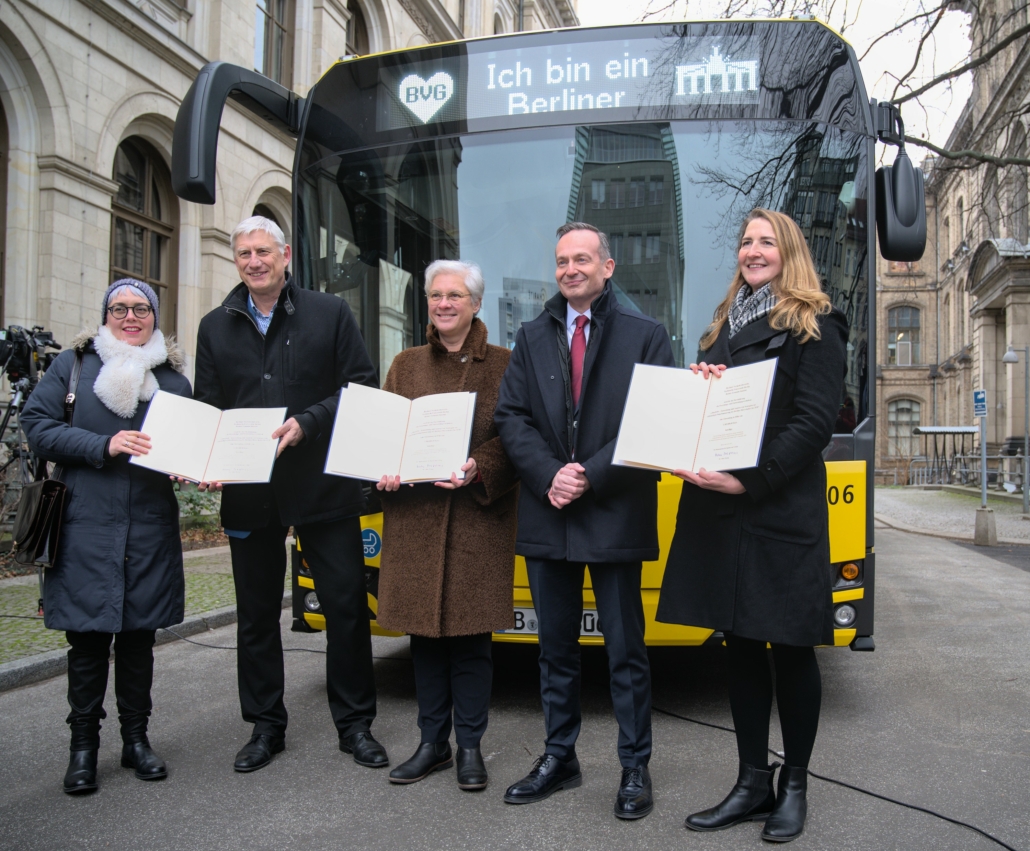
On Novem­ber 14 and 15, 2024, Ger­many’s bus indus­try gathe­red in Ber­lin for the first-ever BMDV Con­fe­rence on Cli­ma­te-Fri­end­ly Buses. Around 250 par­ti­ci­pan­ts atten­ded in per­son, joi­n­ed by a lar­ge online audi­ence, to dis­cuss alter­na­ti­ve dri­ve sys­tems in public trans­port, poli­ti­cal frame­works, and mar­ket and tech­no­lo­gy developments.

Danie­la Klu­ckert, Par­lia­men­ta­ry Sta­te Secre­ta­ry to the Fede­ral Minis­ter for Digi­tal and Trans­port, ope­ned the con­fe­rence, which offe­red not only theo­re­ti­cal insights but also prac­ti­cal expe­ri­en­ces: On the second day, par­ti­ci­pan­ts explo­red inno­va­ti­ve approa­ches to e‑buses during excur­si­ons, inclu­ding visits to the BVG faci­li­ties and the EUREF Cam­pus. At EUREF, Prof. Göh­lich deli­ver­ed a com­pel­ling pre­sen­ta­ti­on on the future of e‑buses and the work of the Mobility2Grid rese­arch cam­pus, show­ca­sing pio­nee­ring solu­ti­ons for inte­gra­ting elec­tro­mo­bi­li­ty into urban ener­gy grids.

The event pro­vi­ded signi­fi­cant momen­tum for the mobi­li­ty tran­si­ti­on and high­ligh­ted the importance of col­la­bo­ra­ti­on bet­ween poli­tics, indus­try, and research.

Inno­va­ti­on Exch­an­ge #4 on Auto­no­mous Driving

In col­la­bo­ra­ti­on with the Ber­lin Agen­cy for Elec­tro­mo­bi­li­ty eMO, the fourth “Inno­va­ti­ons­bör­se zum Auto­no­men Fah­ren” (Inno­va­ti­on Exch­an­ge on Auto­no­mous Dri­ving) took place on Sep­tem­ber 12.

This time, the event was hos­ted by our transfer area “Das Neue Gar­ten­feld” (DNG) in Span­dau. In two work­shops mode­ra­ted by Nina Weber (Mobility2Grid) and others, imple­men­ta­ti­on opti­ons for mobi­li­ty solu­ti­ons were explo­red with the stake­hol­ders pre­sent and a pos­si­ble net­wor­king of dif­fe­rent are­as in north-west Ber­lin was considered.

In addi­ti­on to the KIS’M pro­ject team, par­ti­ci­pan­ts included initia­tors such as Mela­nie Jacht­ner (Sena­te Depart­ment for Urban Mobi­li­ty, Trans­port, Cli­ma­te Action and the Envi­ron­ment), Johan­nes Jäh­ne (Ber­li­ner Ver­kehrs­be­trie­be (BVG)) and Chris­toph Zie­gen­mey­er (MOIA). In the second part, the sta­tus of the site was pre­sen­ted by Tho­mas Best­gen (UTB Pro­jekt­ma­nage­ment GmbH); the mobi­li­ty con­cept was explai­ned by Tho­mas Kre­her (inno2grid GmbH) and M2G board mem­ber Prof. Tho­mas Rich­ter explai­ned the trans­port planning.

New review paper on auto­ma­ted char­ging tech­no­lo­gies for hea­vy-duty vehic­les published

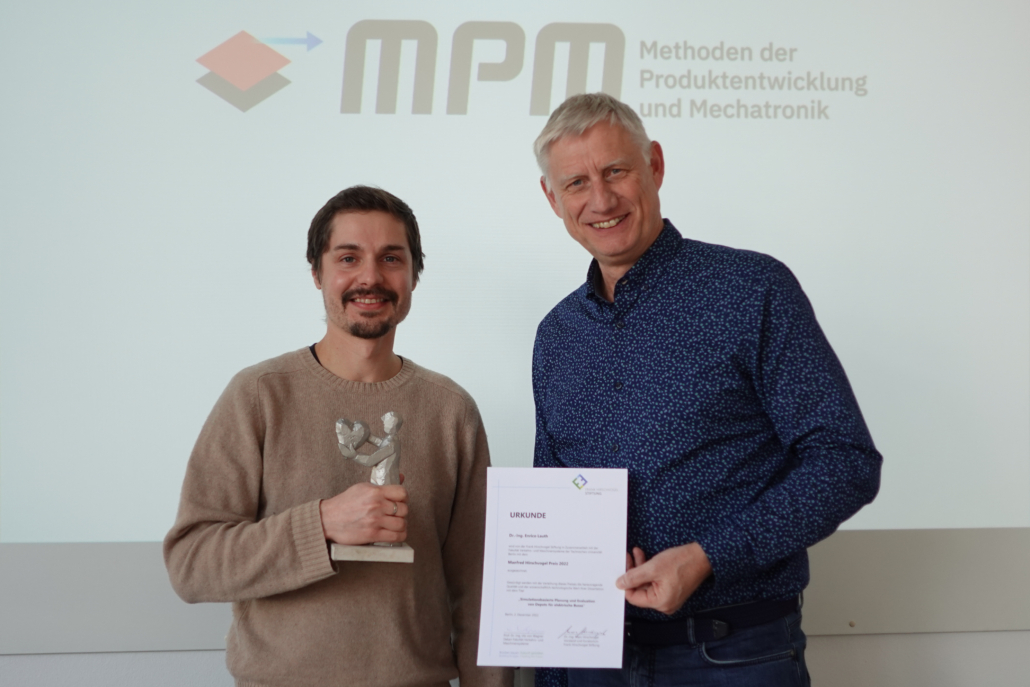
Pro­gress in the field of auto­no­mous char­ging: The depart­ment Metho­den der Pro­dukt­ent­wick­lung und Mecha­tro­nik at the Tech­ni­sche Uni­ver­si­tät Ber­lin has published a paper which ana­ly­zes dif­fe­rent auto­ma­ted char­ging tech­no­lo­gies for hea­vy-duty vehic­les by eva­lua­ting their poten­ti­als, advan­ta­ges, chal­lenges as well as tech­no­lo­gi­cal matu­ri­ty. The publi­ca­ti­on ful­fills mile­stone M8 of the rese­arch campus.

The paper entit­led “Review and Eva­lua­ti­on of Auto­ma­ted Char­ging Tech­no­lo­gies for Hea­vy-Duty Vehic­les” is also the cover sto­ry of the latest issue of the World Elec­tric Vehic­le Jour­nal (Link) and is acces­si­ble using the fol­lo­wing link: https://www.mdpi.com/2032–6653/15/6/235